Home Cleaning
What Can You Clean in an Ultrasonic Cleaner? 30 Items
Learn what can you put in an ultrasonic cleaner: 30 everyday and workshop items, from retainers and jewellery to carburettors and circuit boards, and what to keep out.
One of the most common questions about these machines is simple: what can you put in an ultrasonic cleaner? The short answer is that a home ultrasonic cleaner handles far more than rings and glasses. The same sound-driven bubbles that lift film from a piece of jewellery also reach into the small spaces on a retainer, a razor head, a carburettor or a circuit board. This guide lists 30 everyday and workshop items that suit an ultrasonic cleaner, grouped so you can find the item you own and the size of machine that fits it. Read the group that matches your item, check the size, and keep the short do-not list at the end in mind.
The items below fall into four groups: personal care, jewellery and accessories, workshop parts, and professional and specialist items. Each group names the items, the size of tank that suits them, and the model to look at. A small 148 ml tank suits a single retainer or a pair of dentures. A 900 ml tank suits several pieces of jewellery at once. A 6 litre or 10 litre digital tank suits larger workshop parts and batch work. Use the group that fits your item, and do not put in anything from the do-not list, even if it looks similar to an item that is listed.
Personal Care: Retainers, Dentures and Grooming Tools
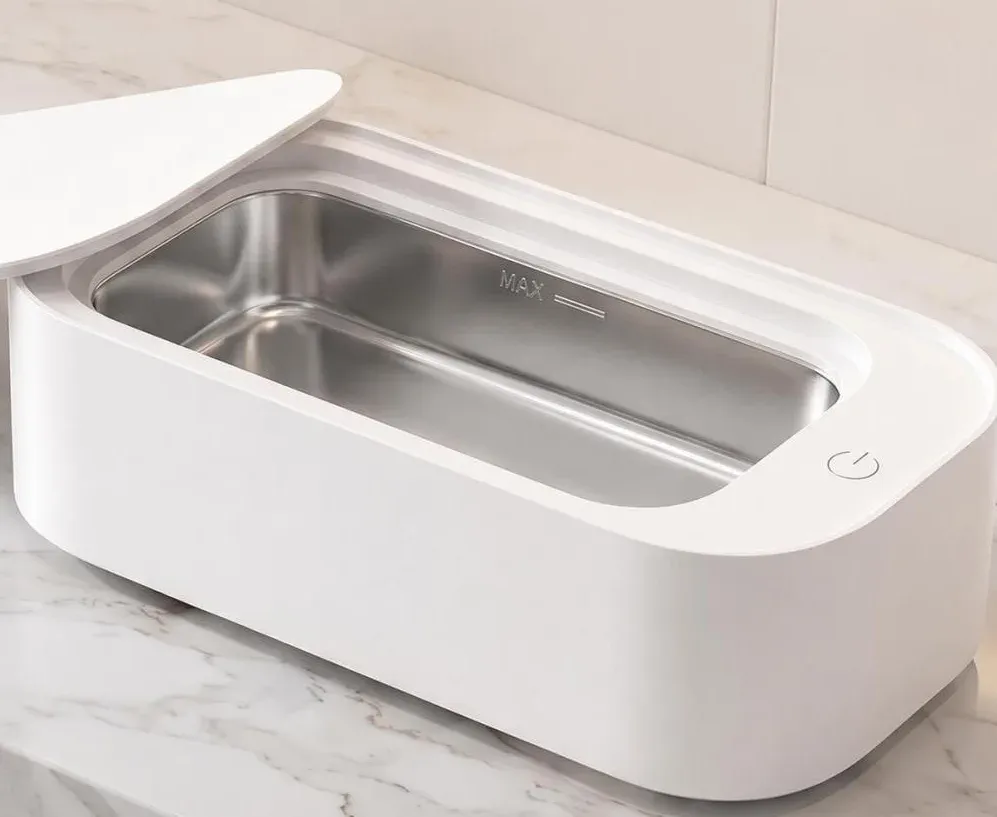
Personal care is where most households start, because the items are small and they are used every day. (1) Retainers and clear aligners pick up plaque and odour, and a short cycle lifts the film from the tray. (2) Dentures collect biofilm and stains, and a short cycle reaches the surface a brush misses. The SJ-H7 Ultrasonic Cleaner for Dentures and Aligners — 148ml is sized for a single appliance, and it suits a daily routine for retainers and dentures. (3) Razor heads and shaver heads collect stubble and skin oil in the small gaps between the blades, and a short cycle lifts the residue. (4) Makeup brushes hold powder and oil in the bristles, and a short cycle reaches between the fibres without pulling them.
(5) Toothbrush heads collect toothpaste residue at the base of the bristles, and a short cycle cleans the part a rinse leaves behind. (6) Nail clippers, cuticle pushers and other small metal manicure tools collect skin and nail residue in the joint, and a short cycle reaches it. (7) Hair combs and brushes collect oil and styling product between the teeth, and a short cycle lifts the film. (8) Tweezers pick up skin oil and residue at the tips, and a short cycle cleans the part that touches the skin. Rinse each item after its cycle and dry it before you put it away, and use a separate cycle for items that should not share water.
Jewellery and Accessories: Rings, Chains, Glasses and More
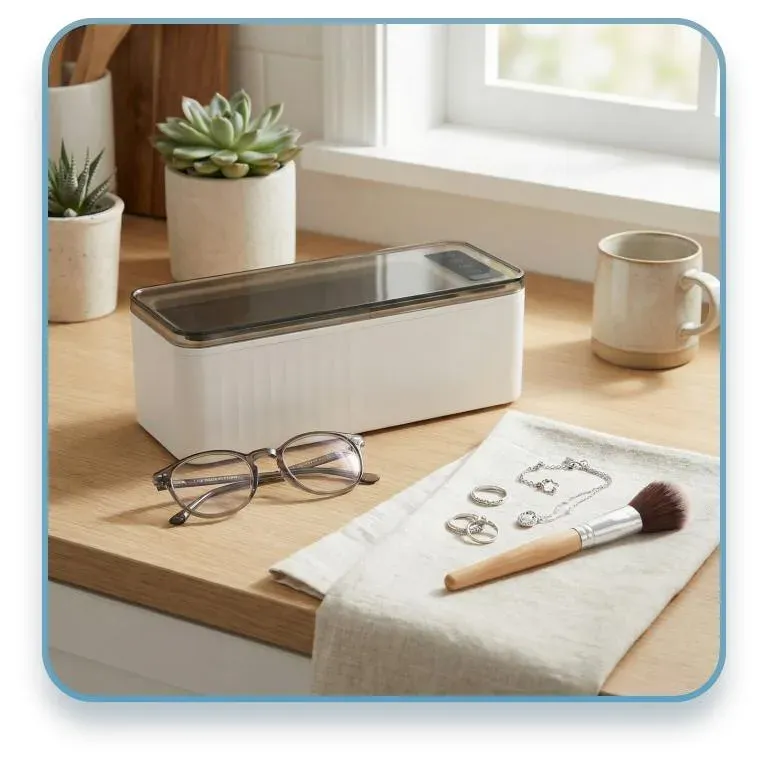
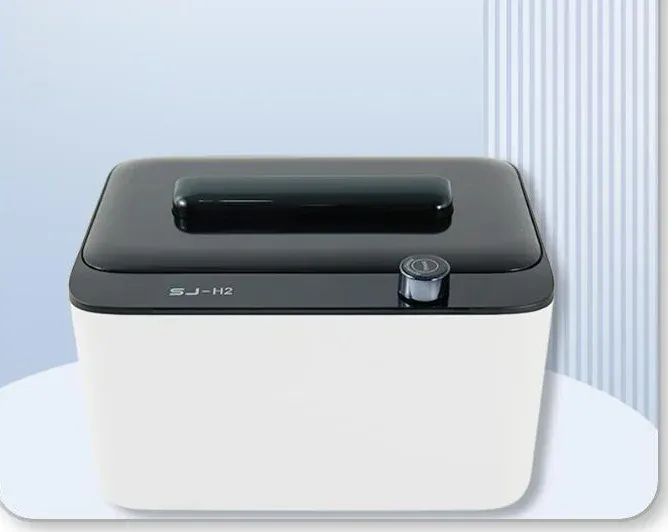
Jewellery is the best-known use, because the bubbles reach the small spaces a cloth cannot. (9) Rings collect skin oil and lotion under the setting, and a short cycle lifts the film. (10) Necklaces and chains collect oil in the links, and a short cycle reaches inside each link. (11) Bracelets collect the same film on the links and the clasp. (12) Earrings collect oil and residue on the post and the setting. The SJ-H2 Ultrasonic Cleaner for Jewellery and Eyewear — 900ml is the larger home model, and it cleans several pieces in a single short cycle when they are laid out so they do not touch each other. Check each setting before a cycle, and keep out pearls, opals and emeralds, which are covered in the do-not list.
(13) Metal watch straps collect sweat and dust between the links, and a short cycle reaches the gaps. Remove the watch head first if it is not water resistant, and clean only the strap. (14) Glasses collect oil and sweat on the nose pads, the hinges and the frame groove, and a short cycle reaches those spaces. (15) Sunglasses suit the same routine as prescription glasses when the lenses and the coating are in good condition. (16) Cufflinks, brooches and other small metal accessories collect the same film, and a short cycle lifts it. Use a separate cycle for jewellery and for glasses, rinse each piece, and dry it with a soft cloth.
Workshop Parts: Carburettors, Injectors, Chains and Hardware
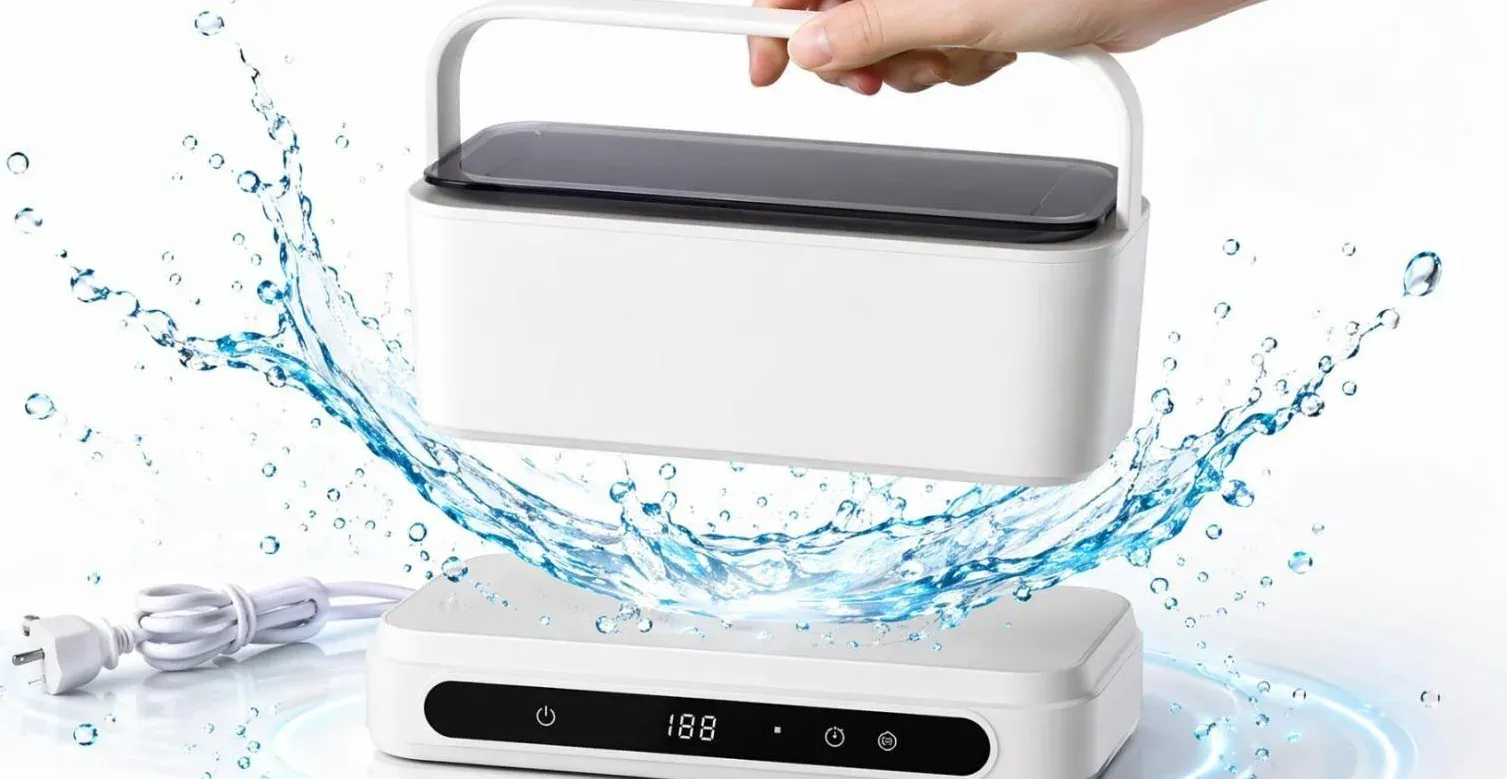
Workshop parts are where a larger tank earns its place, because the parts are bigger and the grime is heavier. (17) Carburettors collect fuel residue and varnish in the small passages, and an ultrasonic cycle reaches the parts a brush cannot. (18) Fuel injectors collect carbon and gum on the nozzle, and a short cycle lifts the deposits. The 6L Digital Ultrasonic Cleaner with Heater and Degas is a workshop size, and it takes a carburettor or a set of injectors in a single batch. (19) Bicycle and motorcycle chains collect grease and grit between the links, and a cycle reaches the pins and rollers. (20) Nuts, bolts and other fasteners collect grease and rust in the threads, and a cycle cleans the threads without scrubbing.
(21) Small engine parts, such as valves and small covers, collect carbon and oil, and a cycle reaches the recesses. (22) Bearings collect old grease in the races, and a cycle lifts it before fresh grease is applied. (23) Metal hand tools, such as wrenches and screwdrivers, collect grease and grime in the grip and the joint, and a cycle cleans them without a wire brush. (24) Coins and other small metal hardware collect tarnish and dirt in the fine detail, and a cycle lifts the surface film. The 10L Digital Ultrasonic Cleaner with Heater and Degas is the larger workshop size, and it takes bigger parts or a full batch of smaller ones in one cycle. Rinse the parts after the cycle and dry them so they do not rust.
Professional and Specialist Items: Dental, Electronics and Tattoo Tools
Some items belong to a professional setting, and they need a machine that is used with care. (25) Dental instruments collect residue in the joints and the fine tips, and a cycle reaches the parts a wipe misses. (26) Circuit boards and printed circuit boards collect flux residue and fingerprints, and a short cycle lifts the film from the fine tracks. (27) Tattoo equipment, such as grips and tips, collects ink and body fluid, and a cycle cleans them before sterilisation. (28) Metal piercing jewellery collects residue on the post and the ball, and a short cycle cleans it. (29) Laboratory glassware collects residue in the narrow neck and the base, and a cycle reaches it. (30) Watch movements and small clock parts collect old oil and dust, and a cycle reaches the fine gears. These items need the right liquid and the right cycle for the material, so follow the instructions for the model and the item.
What Not to Put in an Ultrasonic Cleaner
Not everything belongs in an ultrasonic cleaner, and the exceptions matter as much as the list. Pearls are soft and porous, and the vibration can dull the surface and weaken the thread. Opals can crack, and they hold water in their structure. Emeralds are often treated with oil to fill fine cracks, and a cycle can remove that oil and leave the stone cloudy. Stones that are glued into a setting can come loose, because the vibration works on the glue. Filled or coated stones can also be damaged when the filling or coating is disturbed. Keep these out, and clean them by hand with a soft cloth instead.
Do not put flammable liquids, such as petrol or solvents, into the tank, and do not add a strong or unknown cleaner to the water. Do not put in electronics that hold a battery, or any item with a battery fitted. Do not put in wood, leather or soft plastic, which can warp or absorb water. Do not put in glasses with a lens coating that is already cracked, peeling or flaking. If you are unsure whether an item belongs in the cleaner, do not put it in. Clean it by hand instead, and ask the maker or a specialist for advice before you use any cleaning method.
A home ultrasonic cleaner covers more than jewellery: retainers, dentures, razor heads, glasses, watch straps, carburettors, injectors, chains and circuit boards all suit a short cycle when the tank fits the item and the material is suitable. Pick the size that fits the items you clean most, keep the do-not list in mind, and use plain water or a mild cleaner. Used with the right items, a single machine does the work of several cleaning routines.
Looking for a home ultrasonic cleaner — or stocking them for your store? Send an inquiry through the form on this page and we will reply with specifications and a quotation. Mob / WhatsApp / WeChat: +86 15920036975. Private label and OEM are available from 300 units.