Ultrasonic Gun Cleaner: Parts Cleaning for Gunsmiths
Ultrasonic cleaning strips gun parts to bare metal in minutes. The gunsmith's method: solution, cycle, and the re-lubrication step you cannot skip.
Ask a gunsmith where the time goes and "cleaning" is the honest answer: carbon baked onto a bolt carrier, fouling in a trigger group, a customer's pistol that has not been stripped in a decade. Searches for ultrasonic gun cleaners are up about 110% in a year because the bench maths is obvious — a tank cleans the whole small-parts tray at once, in the recesses no pick or brush reaches, while the smith does work that bills. This guide is the method as shops actually run it: what goes in, what stays out, and the step afterwards that decides whether the gun leaves better than it arrived.
What goes in the tank
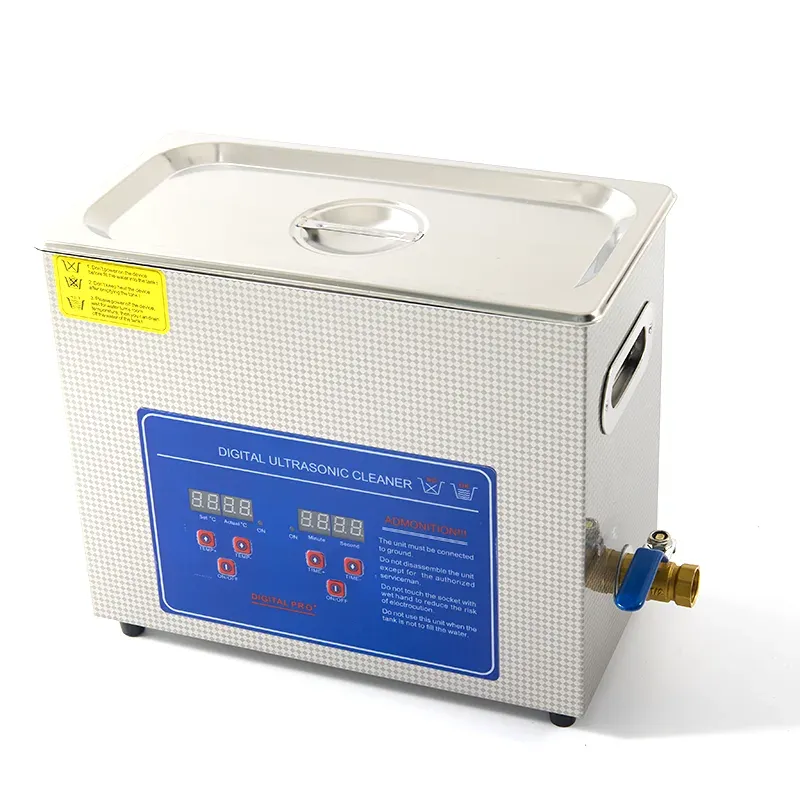
Field-stripped or fully disassembled metal parts: slides, bolts and carriers, trigger groups, springs, pins, magazines stripped of their followers, choke tubes, suppressor baffles where the maker permits. The tank's job is fouling — carbon, powder residue, old grease and grit — and at 40 kHz in a heated water-based gun-cleaning solution it strips parts to bare metal in ten to twenty minutes, including the corners of a bolt's locking lugs and the inside of a gas piston. Size follows the largest part: a 6 L digital tank covers handguns and small parts trays; rifle components and higher volume point to the 10 L; long components are limited by internal tank length, which our sizes guide sets out honestly.
What stays out
Wood and grips come off before the tank — always. Optics, red dots and anything electronic stay out. Painted, lacquered and some coated finishes can dull or lift in a long hot cycle, so test a hidden area or shorten the cycle for finished parts, and follow the firearm maker's own guidance where it exists. And the absolute rule from all parts washing applies doubly here: water-based solutions only, never petrol or flammable solvents in the tank.
The cycle: solution, heat, degas
Use a water-based solution made for firearms, at its labelled dilution. Heat does the heavy work on carbon — run the bath at 50–60 °C. Degas a fresh fill for a few minutes so the first tray cleans evenly (the why is in our degas guide). Parts ride in the basket, not on the tank floor, not touching each other where finishes matter. Ten minutes handles routine fouling; the decade gun may need twenty and a solution check — a bath exhausted by the first tray will not finish the second, which is a bath-management habit from our parts cleaner guide, not a machine fault.
The step you cannot skip: dry and re-lubricate
Ultrasonic cleaning is total: it removes the fouling and every trace of oil with it, leaving bare, dry, unprotected steel. A part put away in that state will rust, and a gun reassembled dry will wear and malfunction. So the workflow ends out of the tank: blow parts dry with compressed air (water hides in pin holes and spring cups), then lubricate completely — many shops run a short second bath in a lubricating solution, others oil by hand part by part. Either way, no gun leaves the bench until every surface it needs is protected. This is the difference between ultrasonic as a gunsmithing tool and ultrasonic as a way to generate rust complaints.
For shops weighing the investment
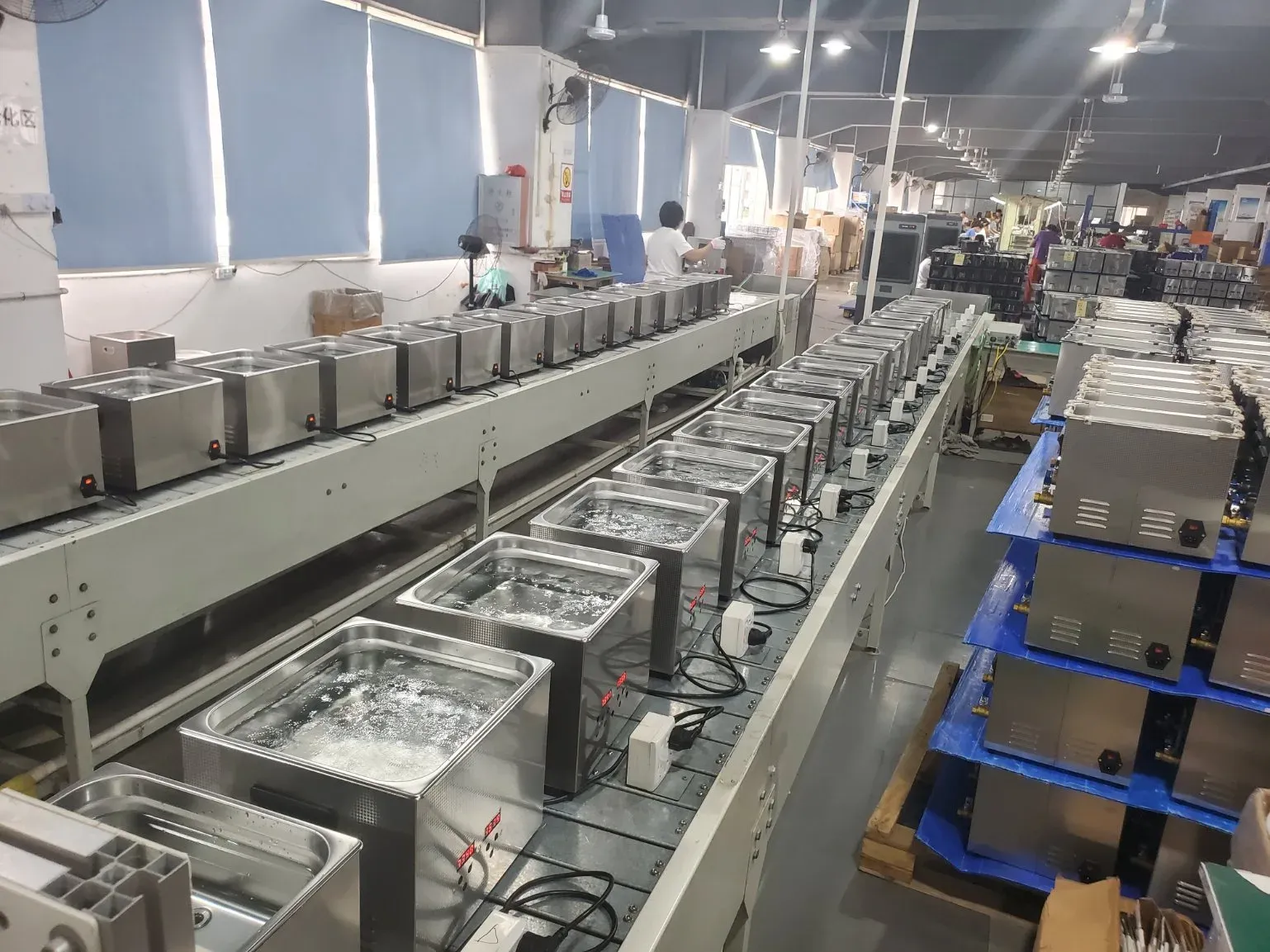
The return is measured in bench hours: a full strip-clean that took forty minutes of picking and brushing becomes twenty minutes of tank time the smith spends on paying work, with a more complete result in the fouling traps customers cannot see but can feel in the action. Shops offering cleaning as a service find it sells itself off the counter — a stripped, ultrasonically cleaned, correctly lubricated gun is a visible, tangible service. The tanks private-label from 300 units for distributors serving the trade; the OEM guide covers that route.
Tell us what you strip and clean
Handguns only, long guns, suppressor work, a service counter — send us the mix and the largest component, and we will specify the tank size and cycle setup in writing. Digital tanks with heating and degas run 3–50 L across the commercial range. Enquire through the contact page, or call or message us — Mob / WhatsApp / WeChat: +86 15920036975.