Ultrasonic Parts Cleaner: A Workshop Buying Guide
An ultrasonic parts cleaner earns its bench space daily — if it's sized and specced right. Tank, heat, power and solution, chosen by the parts you run.
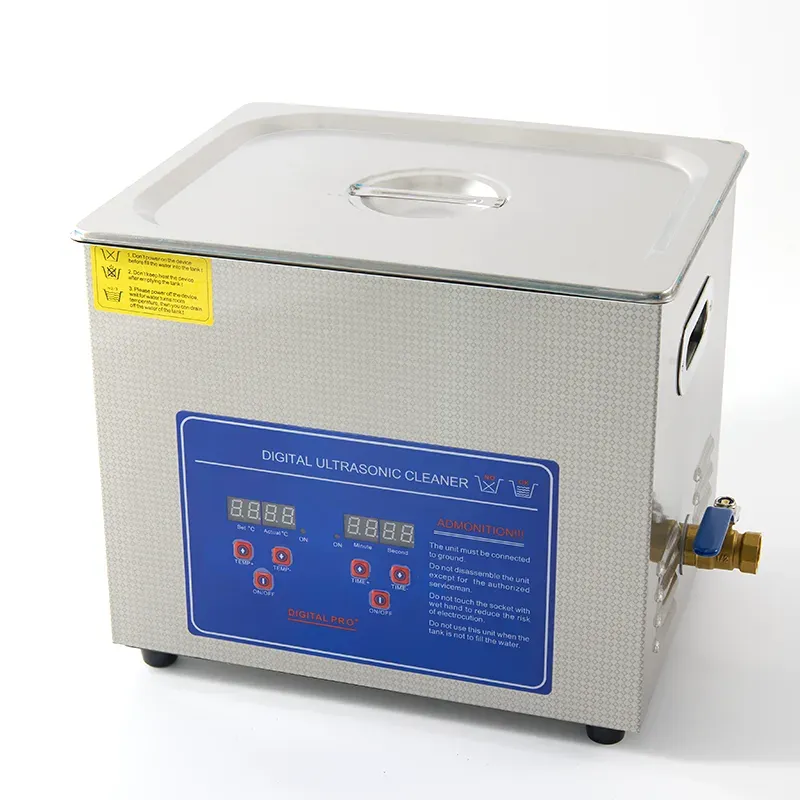
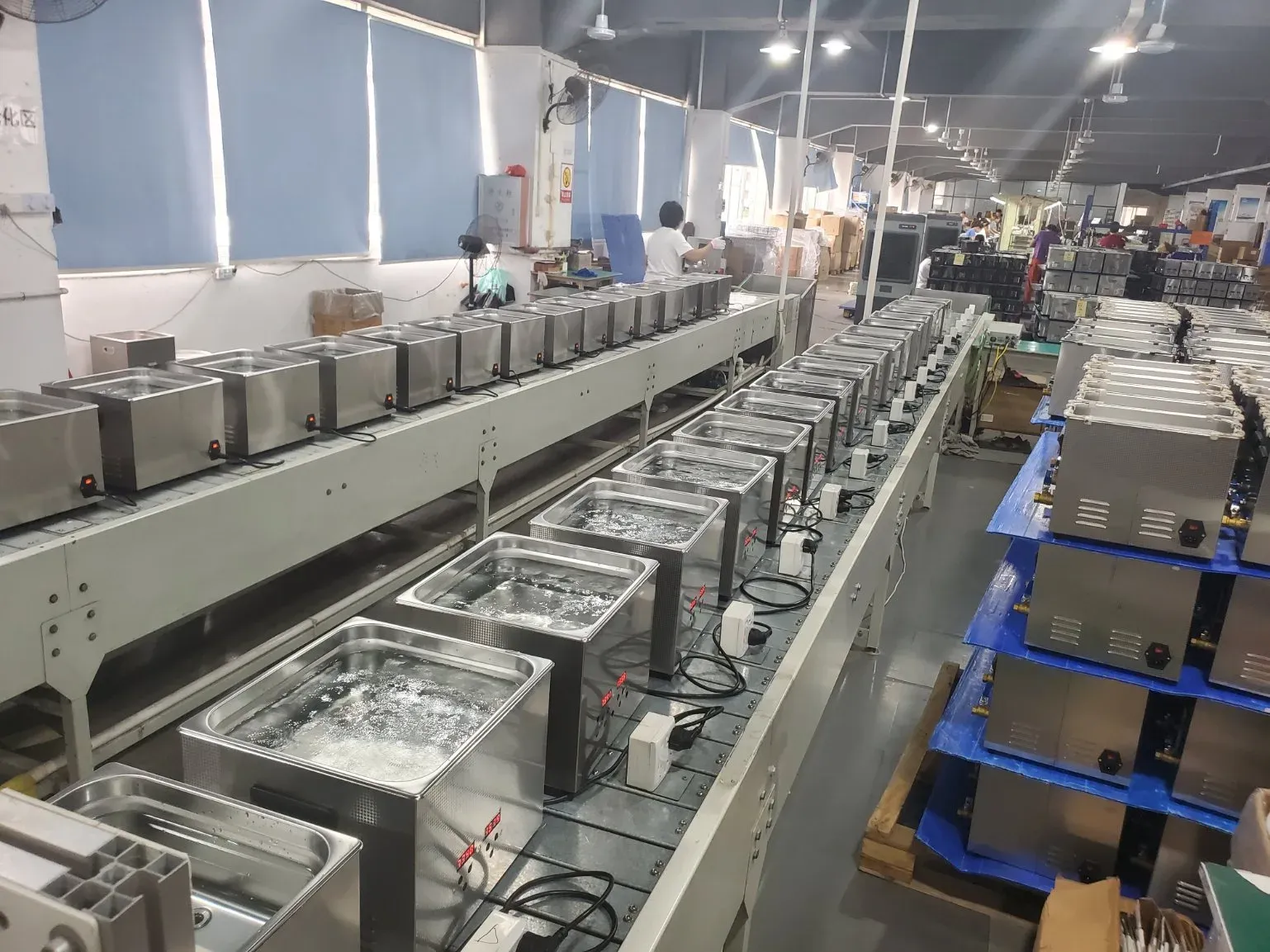
Every workshop already owns a parts washer of some kind — usually a brush, a solvent tray and somebody's afternoon. An ultrasonic parts cleaner replaces the afternoon: parts go in greasy, the timer runs, and they come out stripped in the recesses a brush never reaches. But the category spans 1.3 L bench boxes and 50 L stations, mechanical timers and adjustable power, and the wrong specification is an expensive ornament. This guide chooses by the work: the parts you run, the soil on them, and the pace of your bench.
What ultrasonic does to a dirty part
At 40 kHz, cavitation in a heated, water-based solution lifts oil, grease, carbon and swarf from threads, blind holes, galleries and gear teeth — the geometry that defeats brushes and aerosol cans. Three features decide how well it does that on parts work. Heating, to 80 °C on the commercial range, is what turns grease from a coating into a liquid the bubbles can move. Degas strips the dissolved air from a fresh fill so the first load cleans at full strength. And a drain valve matters more than any brochure feature: parts washing is a high-turnover bath, and a tank you can empty in a minute is a tank that actually gets emptied.
Sizing by the part, not by the litre
Fit the largest regular part first — submerged, in its basket, with clearance from the walls and floor. A single carburettor or a tray of fasteners lives happily in a 6 L; a bench serving several mechanics usually lands on the 10 L, the category's workhorse; housings, heads and batch work step up to 15–30 L, and long components to the 565 mm tank of the 50 L. Our sizes guide gives the internal dimensions behind those numbers. The mistake to avoid is buying the average load: size for the weekly maximum and the small jobs will still run fine.
Power: fixed, adjustable, and why it matters
Standard digital and mechanical tanks run full power, which is right for robust parts in heavy soil. Mixed benches — carburettors one hour, delicate clock or instrument parts the next — benefit from adjustable power: our DS-S line steps the ultrasonic output through six levels, and the DS-P adds a half-wave/full-wave switch for gentler work. Turning the power down is not a compromise; on thin, soft or precision parts it is the difference between cleaning and etching. If your parts list spans greasy castings and fine mechanisms, adjustable power is the specification to pay for.
Solution: water-based, matched to the soil
Parts washing runs on water-based alkaline detergents, dosed to the soil — light oil at the lean end, baked carbon and heavy grease at the strong end, always within the maker's dilution. The dosing table by job is in our solution guide. One rule is absolute: never put petrol, solvents or anything flammable in an ultrasonic tank. The water-based chemistry exists precisely so the bath is safe, and it outperforms the old solvent tray on everything except nostalgia. Skim or drain the bath on schedule — a bath run past its life re-deposits the soil it removed, which is a maintenance habit, covered in our maintenance guide.
Mechanical or digital for a parts bench?
Both clean identically at the same power. Digital buys degas, exact timing and repeatability — the same cycle, proven once, run a hundred times. Mechanical buys glove-proof simplicity and indifference to a rough environment; our DS-T knob models are the ones workshops choose when the tank lives beside a grinder. The full comparison is in our controls guide. For parts work specifically: if anyone on the bench ever cleans something delicate, take digital and its degas; if the tank's whole life is castings and steel, either serves.
The buying checklist, in one breath
Largest part fits the internal dimensions; heating to 80 °C; degas if loads are delicate or fills are frequent; adjustable power if the parts mix is wide; a drain valve, always; and a basket sized to the work so parts never ride on the tank floor. Meet those six and the machine will earn its bench space every day it is switched on.
Tell us what comes across your bench
Send us your largest regular part and your typical soil — oil, carbon, compound, swarf — and we will specify the tank, with dimensions and power in writing. The commercial range runs 1.3–50 L in digital, mechanical and adjustable-power lines, with private label from 300 units for tool and parts distributors. Enquire through the contact page, or call or message us — Mob / WhatsApp / WeChat: +86 15920036975.